In-depth reviews of books that form the Catholic mind — from Aquinas to Chesterton, from Hahn to Ratzinger. Browse by category above.
"The madman is not the man who has lost his reason. He is the man who has lost everything except his reason." The most luminous apologetic ever written.
View on Amazon →Beautifully crafted Catholic goods — flags & blankets — for the faithful home.
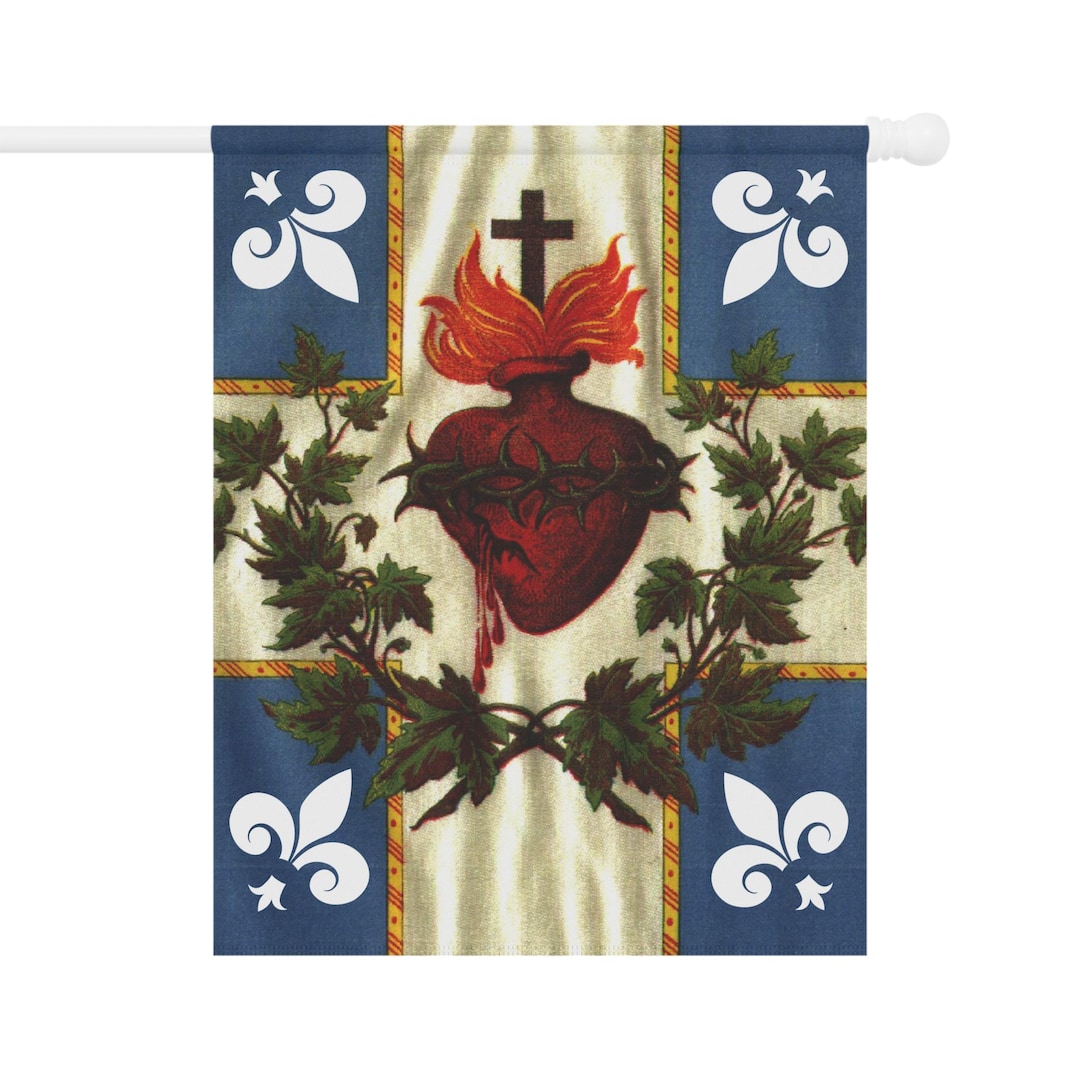
Show your faith outdoors with this beautiful Sacred Heart of Jesus garden banner — printed on durable poly poplin-canvas with crisp color on both sides. Featuring the classic antique holy card image of the Most Sacred Heart of Jesus. Available in two sizes: 12″ × 18″ and 24.5″ × 32″.
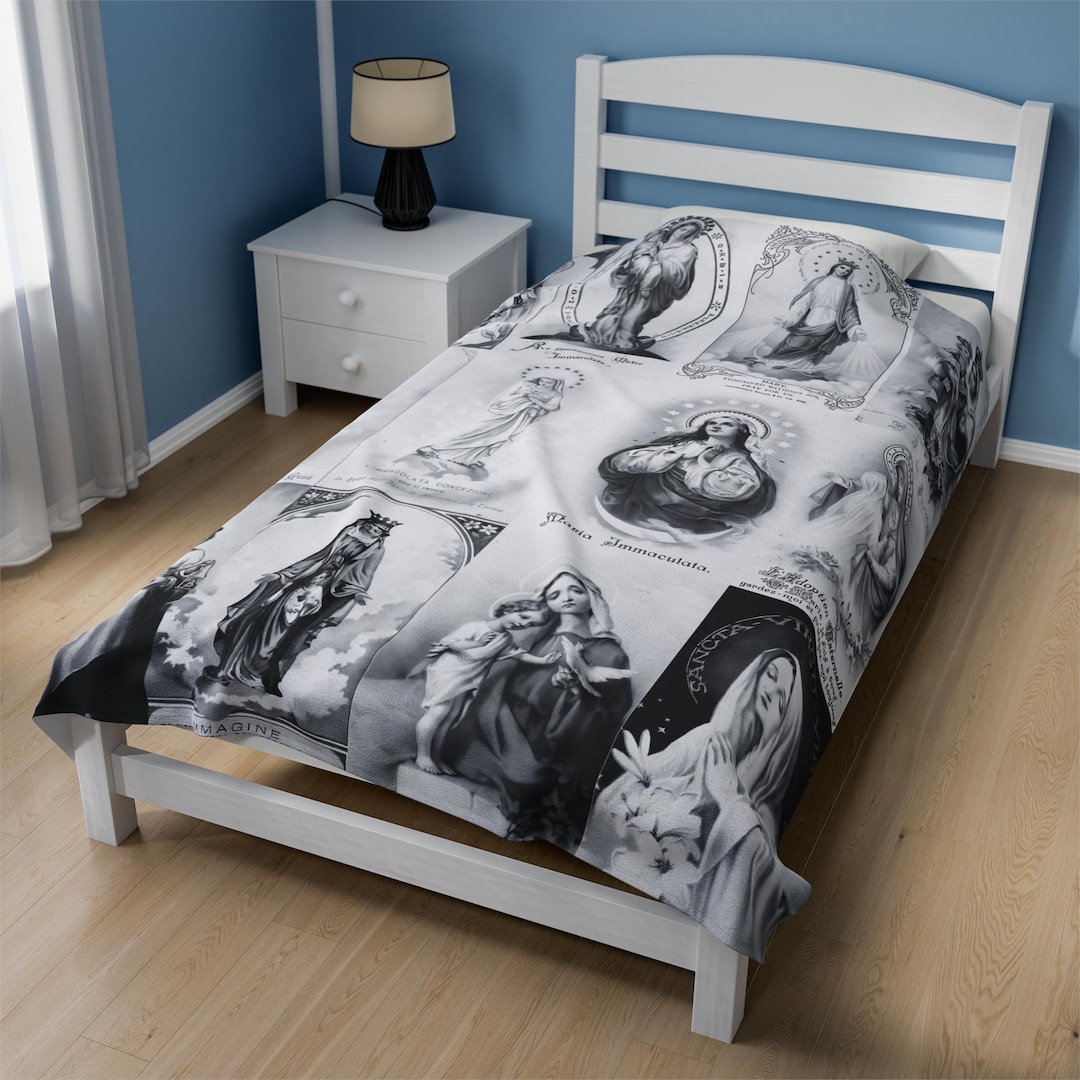
Wrap yourself in divine comfort with this luxurious velveteen plush blanket featuring stunning antique Virgin Mary holy card imagery in a timeless black-and-white palette. Premium fabric with durable, vibrant printing — perfect for prayer, reading, and quiet reflection. Available in three sizes: 30×40″, 50×60″, and 60×80″.
More Catholic goods — mugs, journals, apparel & more — at srtcexpress.com
"The world will never starve for want of wonders; but only for want of wonder."— G.K. Chesterton, Tremendous Trifles
There is a particular kind of book that manages to feel simultaneously inevitable and surprising — as though the author discovered truths that were always there, waiting to be articulated with the right combination of wit and seriousness. Orthodoxy is that book. Chesterton begins with the image of an English yachtsman who accidentally discovers England thinking it a new country, and uses it to describe his own intellectual journey back to Christianity.
For the apologist, chapters like "The Ethics of Elfland" are almost inexhaustible. Chesterton does not argue that gratitude is Christian; he shows you, through the logic of fairy tales, why it is impossible to be genuinely rational and not grateful. "The Paradoxes of Christianity" confronts the objection that Christianity is self-contradictory and argues this is precisely the evidence of its truth — only a real thing is complex enough to be mischaracterized from opposite directions simultaneously.
This is not a systematic theology. It is something rarer: the record of a brilliant mind finding its way home. Keep it within reach for any conversation about whether Christianity is intellectually serious.
Scott Hahn's conversion narrative has introduced more Protestants to the theological case for Catholicism than perhaps any other book of the last thirty years. A Presbyterian minister and committed sola scriptura advocate, Hahn found himself — to his own horror — unable to refute the Catholic position on the Eucharist from Scripture alone. The book follows his grudging, painful, ultimately joyful journey into the Church.
Kimberly's parallel narrative is at least as valuable. She remained Protestant for years after Scott's conversion, and her account of that period — the theological arguments, the marriage strain, the gradual shift — reads with the honesty most conversion stories carefully avoid. If you are preparing for a conversation with a Protestant friend who cannot understand why anyone would become Catholic, give them this first.
The Summa Theologiae is the greatest work of Catholic systematic theology ever written — which creates an immediate problem: it is enormous, technical, and written in a medieval scholastic format most modern readers find initially opaque. Kreeft's anthology solves this with unusual intelligence. Rather than summarizing Aquinas — which inevitably softens the edges — he selects the most important passages in full and annotates them with running commentary.
The result is that you read Aquinas, not Kreeft-on-Aquinas. The Five Ways alone repay a month of study. For anyone whose apologetics conversations stall at "who made God?" — this is the answer.
The most systematic contemporary defense of Catholic claims against Protestant objections.
The sharpest treatment of sola scriptura's self-refuting character available.
Quick Scripture-based answers to every common objection. The book to have before Thanksgiving dinner.
Eleven conversion narratives, each theologically serious. Often more persuasive than argument alone.
The Davidic Kingdom framework for Mary's queenship is genuinely illuminating.
The most thorough Biblical and patristic defense of all four Marian dogmas currently in print.
The classic of Marian spirituality. Rigorous and transformative.
The deepest systematic Mariology in print. Essential for kecharitomene and the Immaculate Conception.
A Carmelite nun who died at 24 and became a Doctor of the Church. Her "Little Way" is simpler and more demanding than it appears.
Not knowing what the Trinity actually means is a form of unreality. One of the most readable works of Catholic systematic theology.
The definitive theological case for why the Mass looks and sounds the way it does. Dense, beautiful, counter-cultural.
Lewis makes the case for Christianity so gracefully that the reader feels not argued into faith but invited into it.